Workshops & Classes

Students enjoy a workshop in the RAA&M’s beautiful Hibbard Gallery
Throughout the year, RAA&M offers a wide array of workshops and classes in a variety of mediums and techniques, suited to all levels of skill. For artists, learning and creative growth never end. Seize the opportunity to take part in our extensive educational offerings conducted by some of New England’s most prominent artists.
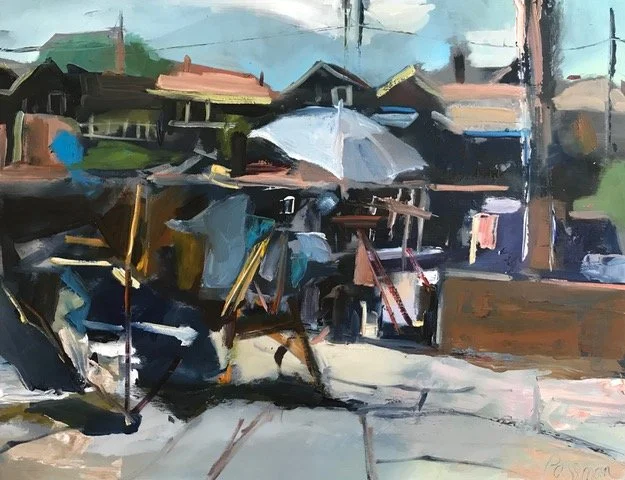
Saturday, August 1, 2026, 9:30 AM – 3:30 PM
Registration Deadline Extended: July 25
$120 RAA&M Members
$155 Non-Members
Come and sketch-to-paint Cape Ann scenes with immediacy and freshness. We will cover methods of simplification, paint application, creating exciting compositions, and capturing the feeling of an entire scene with loose precision.
We will work in a Cape Ann alleyway and do some exercises from photos in the studio. The workshop includes a slide show, demo, exercises, and a final critique with discussion at the end of the day. Very little walking necessary. Plein air work will be right near the studio.
Participants may paint in acrylic or oil. Emily will provide the reference photos.
All skill levels are welcome. Space is limited.
Suggested materials:
• Oil or Acrylic Paints: Emily suggests using a warm and cool of each primary color, white, and a very dark brown for mixing black. Use what you have!
• Varied brushes: flats and rounds - use what you have!
• Palette (can be a paper palette, wood, or glass)
• Palette knife(s) - use what you have!
• Rags
• Sketch pad (important for thumbnail sketches and composition planning)
• Pencils: soft, dark 8B, 9B
• Medium vine charcoal
• Ruler or other straight edge and old credit cards for small straight edges
• Drafting tape (low adhesive)
• Paper and/or paper/pads of "canvas-paper” or other paper designed to take acrylic or oil, or Arches oil paper (We may be cutting it into smaller sizes for fast sketches.)
• Board (for attaching paper for the sketches)
• Stool to sit and sketch with a board on lap for outside work.
For oil painters:
• Oil painting medium or gel (this can be Gamsol, walnut oil, linseed oil, etc.) and Gamsol for cleanup and thinning.
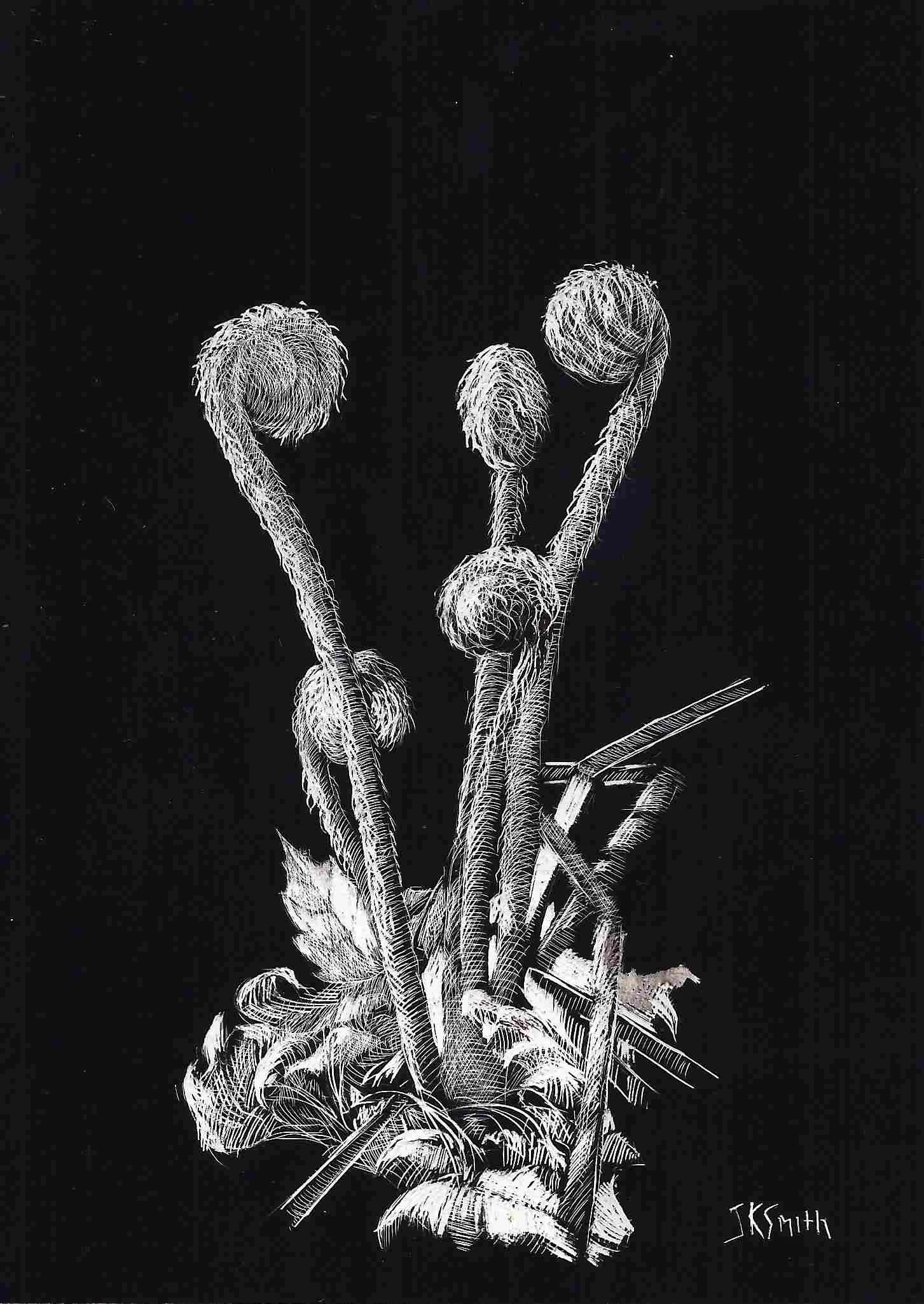
Saturday, August 8, 2026, from 9:30 AM—3:30 PM
Registration Deadline Extended: August 2
$120 Members
$155 Non-Members
This one-day workshop will provide an introduction to scratchboard materials, tools and techniques. We will explore scratchboard mark-making methods to achieve different values and textures, using a variety of tools, and then plan and execute a scratchboard drawing.
All skill levels welcome. Space is limited.
Joe Smith is a self-taught artist with a lifelong love of drawing. He has tried and enjoyed many different media, but, in 2010 he discovered scratchboard, and immediately fell in love. It has been his primary drawing tool ever since. His work can be viewed at www.joeksmith.com.
Materials:
Ampersand Scratchboard, 5” x 7” (set of 3)
Speedball standard pen holder
Speedball Scratch Knives, numbers 112 (pointed) & 113 (round)
X-Acto Knife with #11 blade.
The blade should either be retractable or it should have a protective cover.
A 12” ruler
A soft pastel pencil to draw with
Paper and pen for notes
A brush or cloth for keeping things clean
Optional: vinyl gloves to protect the scratchboard from your fingerprints.
Joe will provide a variety of additional tools and abrasive materials for you to experiment with.
These materials are available at most art supply dealers (or your local hardware store for the X-Acto knife). I have used Dick Blick or Jerry’s Artarama. Scratchboard Supplies are also available at Art Supplies Wholesale, 4 Enon St., N. Beverly, MA, www.allartsupplies.com.
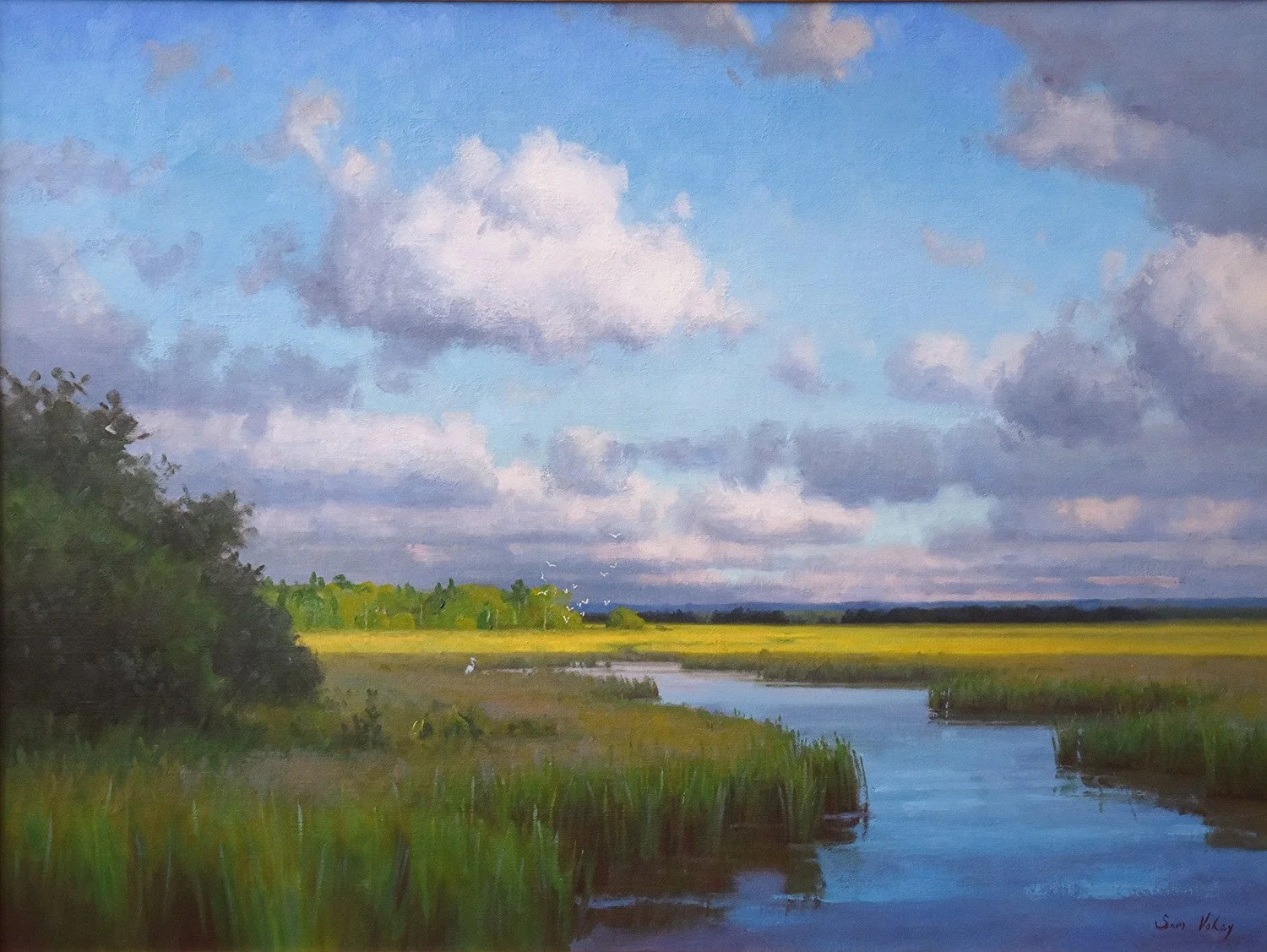
Saturday, August 15, 2026, 9:30 AM – 3:30 PM
Registration Deadline Extended: August 8
$120 RAA&M Members
$155 Non-Members
Critique and Paint. - Bring 2 or 3 of your unfinished paintings in for a critique and to explore ways to highlight your strengths and finish them successfully.
Sam Vokey will help you find ways to solve painting problems that will help you bring your work to the next level. He will coach you along as you work, and demonstrate typical problems and their solutions. Sam will demonstrate the importance of bringing out the strengths that you already have by managing the composition and values. He will show you how color can change a mediocre work into a painting with power and life.
In the realm of representational painting there are rules that go into making a successful finished work of art. There are also occasions when bending or breaking these rules elevates a finished piece. Understanding this can help you make important decisions on the way to finishing a painting.
This is a rare opportunity to receive valuable feedback about your work in an intimate one-on-one setting at RAAM. Participants may paint in their chosen medium.
All skill levels are welcome. Space is limited.
You will need:
2 or 3 of your own paintings that are unfinished or that you feel could be better.
A blank canvas in case you want to start something new - medium sized. 12 x 16. -16 x 20 ish.
Your easel (some are available for student use in the RAA&M Studio)
Your painting gear: all tools and paints used in the creation of any works in progress you bring
Monday, August 31 - Wednesday, September 2, 2026, from 9AM - 4PM
$390 Members
$420 Non-Members
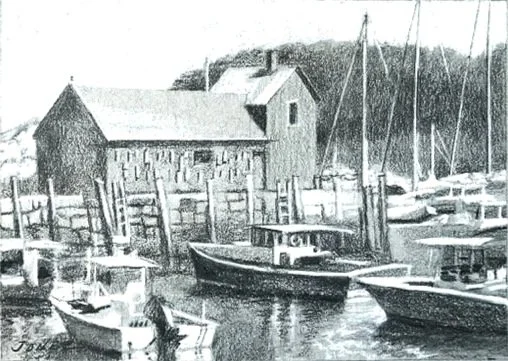
This drawing-focused workshop is designed to strengthen one of the most essential skills in visual art: learning to see and draw with accurate observation, expression and confidence. Working in pencil, charcoal, pen and ink on various papers, students will build a strong foundation through studies in line, value, composition, perspective, and structure. Subjects will include the Cape Ann shoreline—rocks, waves, seabirds, boats, and coastal forms that have inspired artists for generations.
The class will combine structured classroom instruction with half-day field sketching excursions, including a visit to the Cape Ann Museum for guided looking and sketching. Guest artist Don Demers will join the workshop to demonstrate drawing boats and maritime subjects. This course is ideal for artists at any level who want to strengthen their drawing skills while immersing themselves in the history and landscape of Cape Ann.
Supplies: (Contain most core drawing tools and basic accessories)
Faber-Castell Pitt Graphite Tin (26 pc.)
OR
Cretacolor Black Box Charcoal Drawing Complete Set (20 pc.)
Instructor Note: Fixative spray will be provided.
Additional Supplies: (Not Included in above kits)
White for Highlights (choose one or more)
Prismacolor Premier White; General’s Charcoal White No. 558; Derwent Drawing Chinese
White; white gel pen (e.g., Sakura Gelly Roll).
Pens & Ink (choose a few or see recommendations)
Fine-liner pens, Brush pens, Dip pen + nibs, Bamboo/reed pen; Walnut ink; Waterproof black India ink
Pentel Arts Refillable Pocket Brush Pen, Sanguine (a reddish brown - 2 refills)
Speedball® Sketching Pen Set (variety of nibs)
Faber-Castell Pitt Artist Pen - Black, Super Fine Nib (3.00)
Richeson Bamboo Reed Pen - Medium
Tom Norton Walnut Ink Drawing Stick
Instructor Note: Clean nibs frequently when using waterproof ink.
Watercolor round brush, size 6 - 8 (needed for washes)
Paper (recommended types or equivalents)
Strathmore 400 Series Drawing Paper Pad - 11" x 14", 24 Sheets (Spiral bound)
Fabriano 1264 Sketch Pad, 9" x 12", Spiral, 100 Sheets, Landscape
Strathmore 400 Series Recycled Toned Sketch Pad - 12" x 9", 50 Sheets, Cool Gray Medium Surface (no texture)
Strathmore 400 Series Mixed Media Pad 11 x 14 (for Aquarelle watercolor pencils & ink)
Newsprint Pad Rough 9" x 12" (50 Sheets) (for quick sketches)
Tools & Accessories
12" T-square
Triangle with ruler (30–60°)
White drafting tape
Measuring stick/skewers
Viewfinder
Drawing board with clips
Portable chair or easel
Rigid drawing support
Water container, paper towels or wet wipes
Sunblock, bug spray, sturdy shoes for outdoor sketching
Instructor Note: All materials should fit in a tote bag.
Jackie will bring some materials to share with students. For any questions about supplies, please email Jackie at jacquelinejonesart@gmail.com.
Wednesday, September 9 - Friday, September 11, 2026 from 9AM - 4PM, en plein air
$390 Members
$420 Non-Members
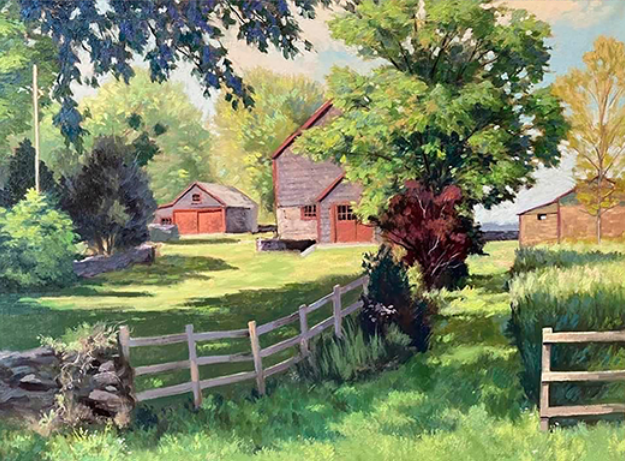
As the goal of this workshop is to enable the artist to create a reasonably finished picture of a three-hour session, our focus will be on organization, simplicity, and intent.
Having a simple and organized kit is essential. I will show and discuss this in detail during the workshop and will also demonstrate the importance of working with a system that allows for intentional goals to be realized.
Particular attention will be paid to the artist’s palette, the engine from which a painting is created. Too often, painters fail to give thoughtful consideration to the organization of their colors, instead laying out color as needed and in a haphazard way. We will also address having adequate amounts of paint mixed to work from. If there is no paint on the palette, there will be no paint on the canvas.
Supplies:
A sturdy outdoor easel
Canvas panels no larger than 16x20
Selection of bristle brushes
Selection of sable and rigger
Brushes
Paint: Cad Yellow light, Cad Yellow Med, Yellow Ochre, Burnt Sienna, Cad Orange, Cad Red Light, Quinacridone Red, Alizarin Crimson, Viridian, Ultra Marine Blue, Cobalt Blue & Cerulean Blue
Instructor Note: The student should have a kit which allows for everything necessary to be carried in one go.
Fridays, 1:00 PM – 4:00 PM
October 16, 23, 30; November 6
Registration Deadline: October 2
$240 RAA&M Members
$290 Non-Members
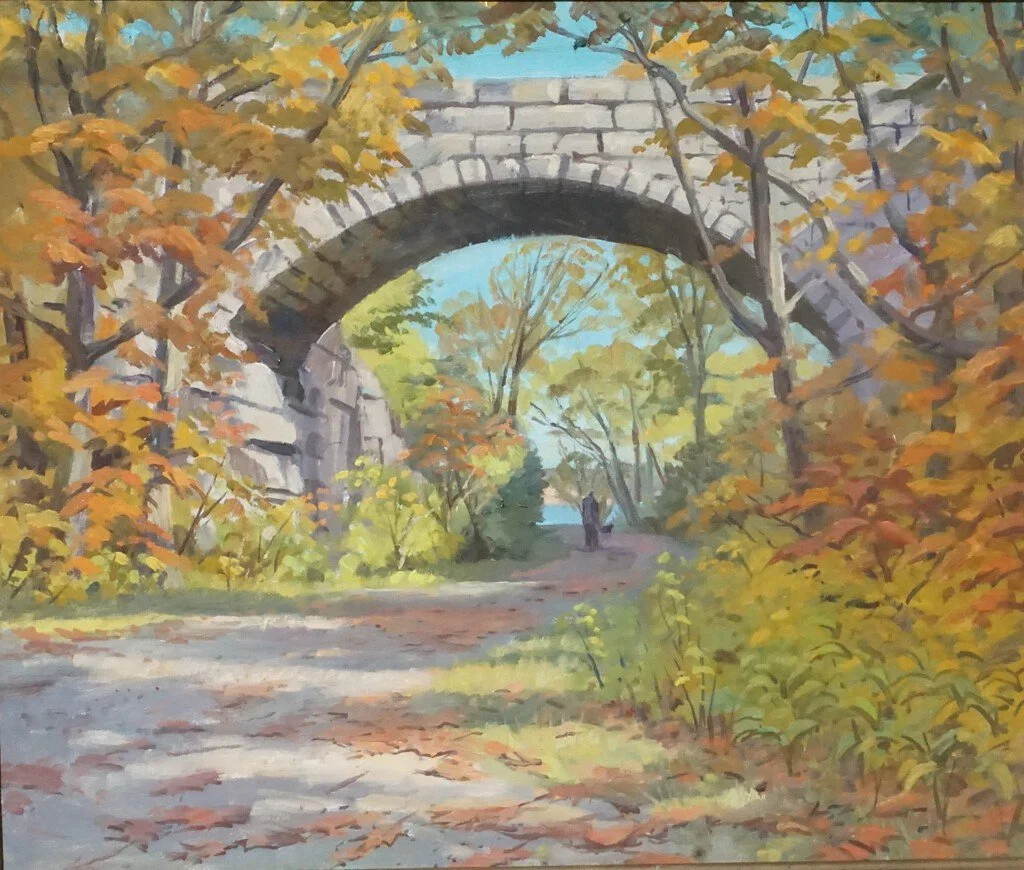
In this class, Caleb will teach how to capture the light, atmosphere, and color in an oil painting using a limited palette of red, yellow, blue, and white. Each class will begin with an oil demonstration, and then Caleb will help participants with their individual paintings, followed by a group critique at the end of class. Caleb will provide instruction about how to select and compose a painting with strong design, value contrast, and color mixing to get a good relation from warm to cool tones.
All skill levels are welcome. Space is limited, with early registration recommended. Participants may paint in oil or acrylic.
Suggested Materials:
• Oil Paint Colors:
Titanium or Permalba White
Cadmium Lemon Yellow
Cadmium Yellow
Yellow Ocher
Cadmium Orange
Cadmium Red
Alizarin Crimson
French Utramarine Blue
Cobalt Blue
Pthalo Blue (Green Shade)
• Brushes: Hog Hair Bristle Filbert Oil Brushes, Sizes 2, 4, 6, 8, 10, &12 (2 of each)
• Canvas Boards or Stretched Canvas, Sizes 8x10 up to 16x20
• Wooden Palette or Plexi–Glass with grey on underside
• Palette Knife, paper towels, trash bag
• Gamsol, linseed oil, large double medium cups
• French Box Easel or other outdoor easel*
*RAA&M doesn’t permit the use of turpentine or other similar solvents in the classroom. RAA&M recommends Gamsol as an odorless alternative for oil painting.
Cancelation Policy: Up to one week (seven days) prior to the start of a workshop, participants may cancel and request a refund, minus a non-refundable $50 registration fee. Tuition will not be refunded after this seven-day period. This policy is strictly enforced.
To see additional RAA&M Art Education Offerings:
New Date!
Thursday, July 30, 2026, 9:30 AM – 11:30 AM
$40 RAA&M Members
$50 Non-Members
BECOME A MEMBER
Colored pencil is a versatile medium, great for everything from quick sketches to detailed, layered drawings. We’ll discuss different ways of using them, look at examples, and begin to experiment. Participants can choose any subject matter, and there will be plenty of time for drawing and individualized feedback.
All skill levels are welcome. The group will be limited to 12 participants. Erica will send you an invite with the Zoom link before the meeting.
Supplies:
(1) 9 x 12 or 11 x 14 multi-use sketchbook
2 drawing pencils of different hardnesses (HB and 2B)
1 grey kneaded eraser
1 white plastic eraser
Pencil sharpener
Colored pencils (regular colored pencils, rather than water soluble ones; some good brands are Prismacolor, Derwent, Caran D’Ache, Koh-I‐Noor, but other artist-grade pencils are fine)
Optional: In addition to, or instead of, a "regular" sketchbook, some sheets of multimedia paper, watercolor paper (hot and/or cold press) or bristol board would be good to experiment with different surfaces.